
Telent on how it won £100m nuclear power plant deal
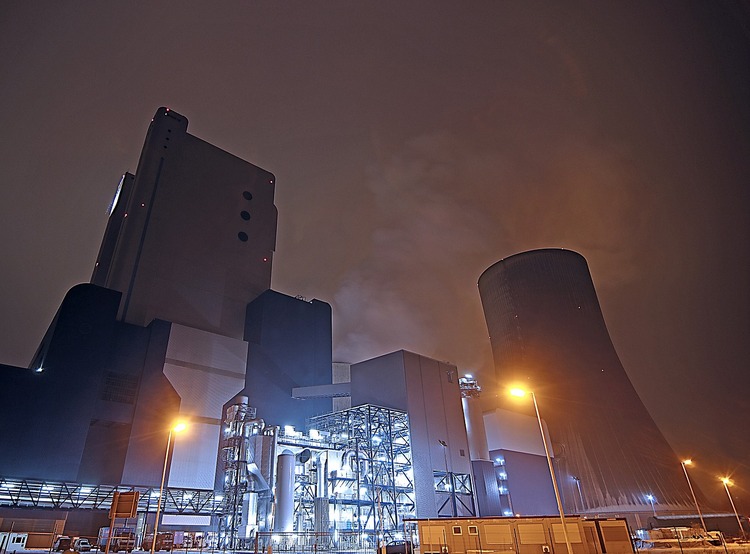
Telent celebrated a major win this week when it was awarded a six-year, £100m contract to provide IT and comms solutions to Hinkley Point C (HPC), the first nuclear power plant to be built in the UK in 25 years.
The tech services giant works in the rail, traffic and public safety industries, among others, and also has a dedicated MSP arm after snapping up a number of smaller firms in the past five years.
This contract marks the organisation's first major step into the nuclear industry.
The deal with EDF Energy will see Telent design, install and commission the communications and IT system for the new power station, which will include two datacentres and both wireless and wired communications networks connecting 150 buildings.
The network infrastructure will also include a unified comms and messaging platform, a radio network and CCTV, among other solutions.
Peter Moir, managing director of network services at Telent, spoke with CRN about the rationale for diving into a new industry, bidding against Vodafone, and the biggest lesson he learned along the way.
What initially attracted you to this bid?
The deal actually came to our attention from one of our partners. It interested us because we had virtually all of the technology needed for it in-house.
We are in the lucky position that we can be choosy and focus on things we know play to our strengths. There were two things we thought played to our strengths. Firstly, technology. In my part of the business, we are used to building fairly large networks and have the experience in the company for the things that hang off that network, like CCTV, wifi and radio solutions.
The other thing is that Telent hasn't done much in the nuclear industry before. But most of our current and long-term customers would describe their networks as mission critical to their operation, and from a nuclear point of view, they would describe their network as mission critical.
A lot of the industries we work in - whether it be rail or other service providers - they are quite regulated and have stringent processes. The rail industry is strict on their process to ensure the safety of the public, so there are similarities there with the nuclear industry because they also have strict processes in place. That played to our strengths.
How did your approach to a nuclear power plant contract differ from your approach to contracts with industries you are used to playing in?
It wasn't a huge difference for us. The difference with this deal and some of the others we've done is that there was a lot more focus on quality.
We did get some expert advice from within the nuclear industry and there was a lot of focus on the quality plan and our way of working. We had to prove that we could meet certain requirements, like seismic events where we had to shake-test the equipment to ensure it could stand an earthquake -that was a bit different for us. We already do 80 to 90 per cent of the scope in-house and we work in legislative industries.
Another key thing is that our client Nuclear New Build (NNB - a subsidiary of EDF Energy) was driven by a collaborative approach - which was quite refreshing. You hear that word a lot these days and you question whether the people who use it really mean it. We've always been very open and honest and had a number of workshops together and behavioural-based training courses and they have driven that collaborative approach across all their contractors.
I think that will helps as the project goes through its lifecycle to make sure that wherever there is an issue that people will be open, and that drives quality.
What was the bidding process like and how did you ultimately win the deal?
It's been a long process. We were working with a partner who was working on a small power lot who brought this IT lot to our attention.
The procurement from NNB changed a few times. In the early stages, we were going to deliver it in alliance with one or two other partners, but by the time we were a year into it and various things changed we realised we could do most of the things in-house already and all we had to buy in was the nuclear shake-test and qualifications of the systems and equipment. It started out that we were going to help out a partner, then work in alliance and in the latter stages we've been leading it. The process took 18 months to two years.
The bidding came down to us and Vodafone. Then we went into the final offer stage and various other workshops. In September we were announced as the preferred bidder and then it was months of finalising contracts and scope.
How much is the deal worth and where does it rank among Telent's biggest wins?
The deal is worth £80m to £100m. It is not our highest deal but it is up there. From my part of the business, it will be the highest deal we've done this year, but across the whole of Telent we've had some significant wins.
Last year we won a framework contract with Highways England which was worth a lot more than that across seven years (that deal is worth £450m). As a business, we are quite used to winning long-term annuity-based contracts and that is what we like to win.
What is the competition like in the nuclear industry space?
I don't know how many people entered this process. I think the risk for us from winning this contract is that the procurement of the whole construction phase has changed a few times with the customer. In the earlier days, they had quite a few different lots and packages - there was an ICT lot, security lot, etc. Through time, they consolidated some of them.
At one point, we were wondering whether the ICT lot - which is big for us but is quite small to the overall cost of HPC - would have been wrapped into one of the big multinational enterprise contract. That would have affected us, and we wouldn't have been able to do anything about it.
Once the lot went through, there wasn't too much competition because there aren't many people who can demonstrate our approach to working in a mission-critical environment and could deliver most of it in-house.
As this was your first big foray into the nuclear industry, what was the biggest lesson learned from this deal?
When we looked across our business we realised how many skills we have. In the past, we've been guilty of being a bit siloed, for example, my network side will only look at networking, the transport business will only look at traffic lights and things like that. But when we pooled all of our resources together we realised we had a pretty good proposition.
Source: channelweb
Industry: Unified communication news